If you are replacing your heating system near Grand Lake, this guide breaks down the real-world differences — energy costs, efficiency, comfort, and which system makes the most sense for NE Oklahoma's climate.
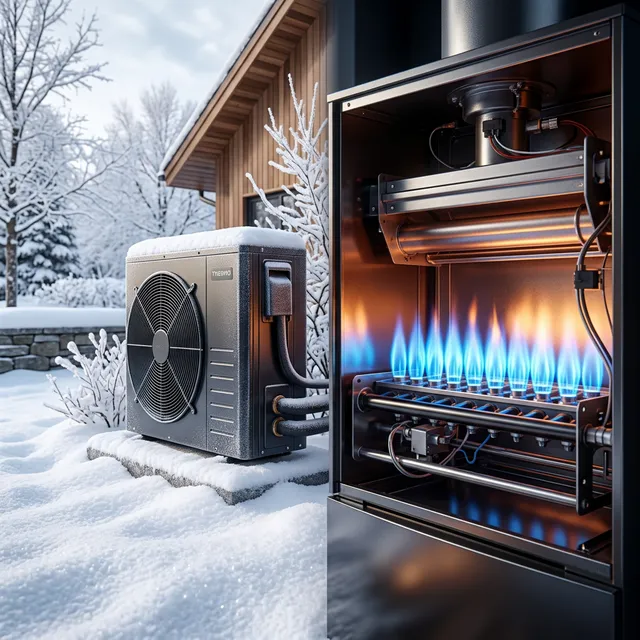
When it is time to replace your heating system, the first question most Grand Lake homeowners ask is: should I go with a heat pump or a traditional furnace? Both have legitimate advantages, and the right answer depends on your home's existing setup, your energy costs, and how you use your property.
Here is what Cozy Llama Heating & Cooling recommends based on years of installing and servicing both systems across Grove, Jay, Vinita, Pryor, and communities throughout the Grand Lake region.
How Each System Works
Heat Pump
A heat pump moves heat rather than creating it. In winter, it extracts heat energy from outdoor air (yes, even cold air contains heat) and transfers it inside. In summer, it reverses to work as an air conditioner. One system handles both heating and cooling.
Gas Furnace
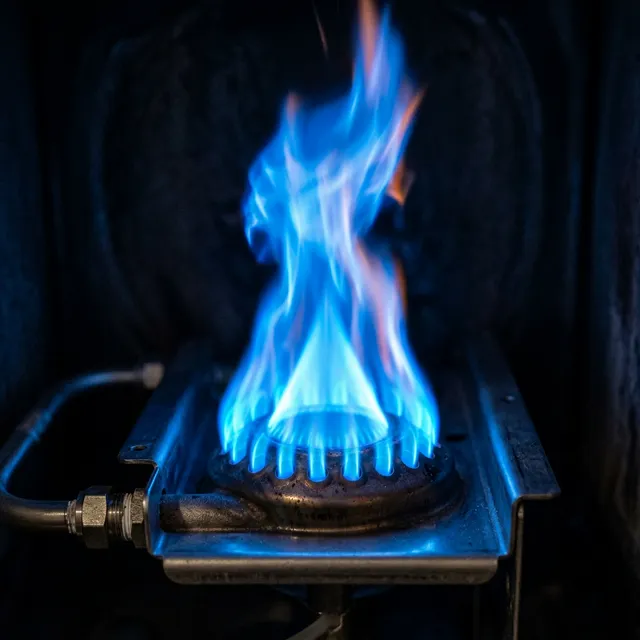
A furnace creates heat by burning natural gas or propane (or using electric resistance coils). It heats air in a heat exchanger and a blower fan distributes it through your ductwork. A furnace only heats — you still need a separate AC unit for cooling.
Side-by-Side Comparison
| Factor | Heat Pump | Gas Furnace |
|---|---|---|
| Monthly Heating Cost | Lower (2–3x more efficient) | Depends on gas prices |
| Cooling Included? | Yes — built in | No — needs separate AC |
| Best Climate | Mild winters (above 25°F) | Any climate |
| Lifespan | 12–15 years | 15–20 years |
| Energy Source | Electricity | Natural gas or propane |
| Carbon Emissions | Lower | Higher |
Our Recommendation for Grand Lake Homes
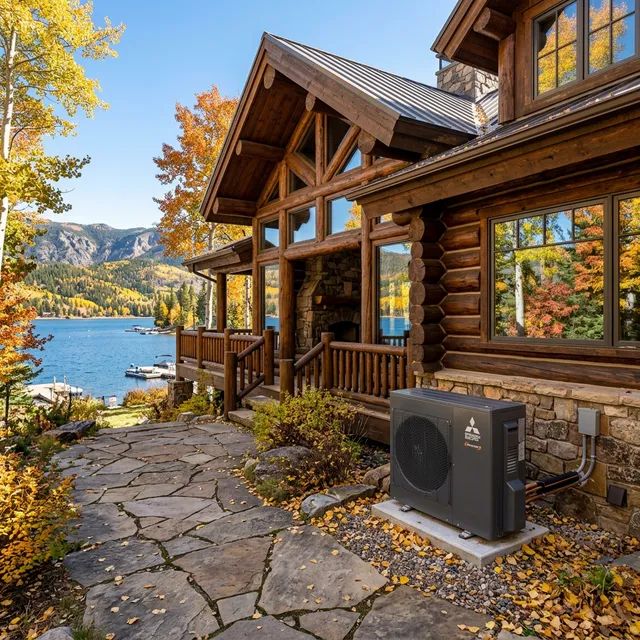
For most Grand Lake homeowners, a heat pump is the best value. Oklahoma winters are mild enough that heat pumps run at peak efficiency for 90 percent of the heating season. You get heating AND cooling from one system, lower monthly bills, and fewer moving parts to maintain.
If you already have a natural gas line and want maximum heating power during the occasional deep freeze, consider a dual-fuel system — a heat pump paired with a small gas furnace backup. This is the premium setup that many of our customers in Grove, Jay, and Vinita choose.
When a Furnace Still Makes Sense
- You already have a gas line and a working AC unit — replacing just the furnace is cheaper than switching to a heat pump system
- Your home has a boiler/radiator system that is not compatible with heat pump ductwork
- You prefer the feeling of very hot air from registers (furnaces produce hotter supply air than heat pumps)
- Natural gas prices are significantly lower than electricity in your area
Frequently Asked Questions
Is a heat pump worth it in Oklahoma?
What is a dual-fuel system?
How long does a heat pump last compared to a furnace?
Not Sure Which System Is Right for You?
We will assess your home, explain your options, and give you an honest recommendation — no pressure, no drama.